「PPV」 Urine Leak After Peeing Full Files Full Media Direct
Get exclusive access to the urine leak after peeing content repository released in January 2026. Inside, you will find a huge library of high-definition videos, private photos, and unreleased files. To ensure the best experience, get one-click media downloads completely free for our community. Enjoy urine leak after peeing through high-quality video files. The current media pack features unseen video clips, leaked image sets, and full creator archives. Stay updated with the newest urine leak after peeing video uploads. Click the download link now to unlock the premium gallery.
Urinalysis detects these nitrogenous wastes in mammals. The bladder stores urine until you are ready to urinate. Urine is liquid waste that your kidneys make to remove excess fluids and waste products from your body
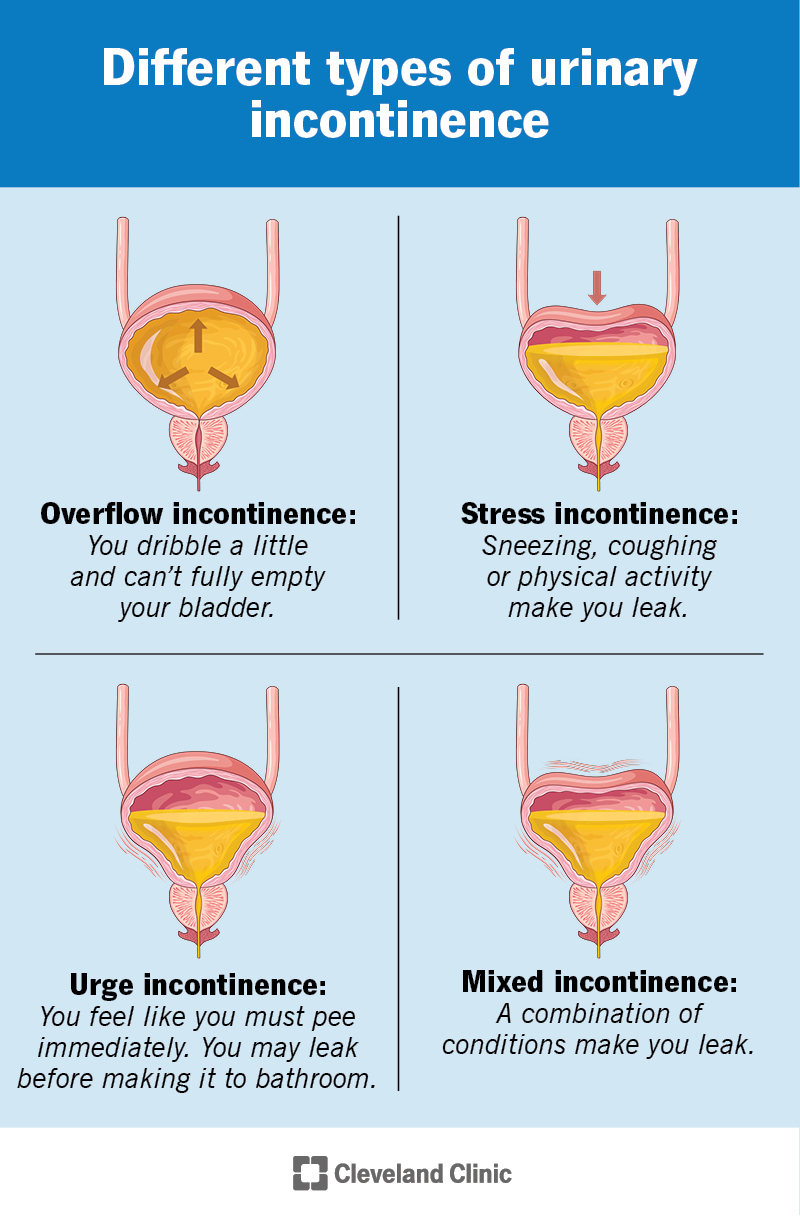
How To Know If You Have Urine Leakage at Mary Roquemore blog
It mostly consists of water, but it also contains waste products, salt and electrolytes. From the kidneys, urine travels down two thin tubes called ureters to the bladder But the basic details of your urine — color, smell, and how often you go — can give you a hint about what’s going on inside your body
Pee is your body’s liquid waste, mainly made of water,.
Foods and medicines can change the color of urine But a color change also could be a sign of disease. Some urine color changes may be a sign of an infection or a problem with the liver or kidneys This article looks at what different urine colors may mean and when to contact a doctor.
Urine, liquid or semisolid solution of metabolic wastes and certain other, often toxic, substances that the excretory organs withdraw from the circulatory fluids and expel from the body The composition of urine tends to mirror the water needs of the organism. Urine is liquid waste produced by the kidneys to remove excess fluids and toxins from the blood The primary function of urine is to remove waste and excess fluid from the body

Urine is 95% water, with the remaining 5% consisting of waste products like urea, creatinine, and electrolytes (e.g
Besides waste materials, urine also contains surpluses of products necessary for bodily functioning, such as water, sodium chloride, and other substances Thus in a typical specimen of urine there will be sodium, potassium, calcium, magnesium, chloride, phosphate, and sulfate. Describes how the urinary tract works, why it’s important, what affects the amount of urine produced, and how to keep the urinary tract healthy. Your kidneys make urine by filtering wastes and extra water from your blood
The waste is called urea Your blood carries it to the kidneys